World Cup 2026 visa row exposes football’s oldest struggle with power and belonging
10 Jun, 2026
World Cup 2026 visa row exposes football’s oldest struggle with power and belonging
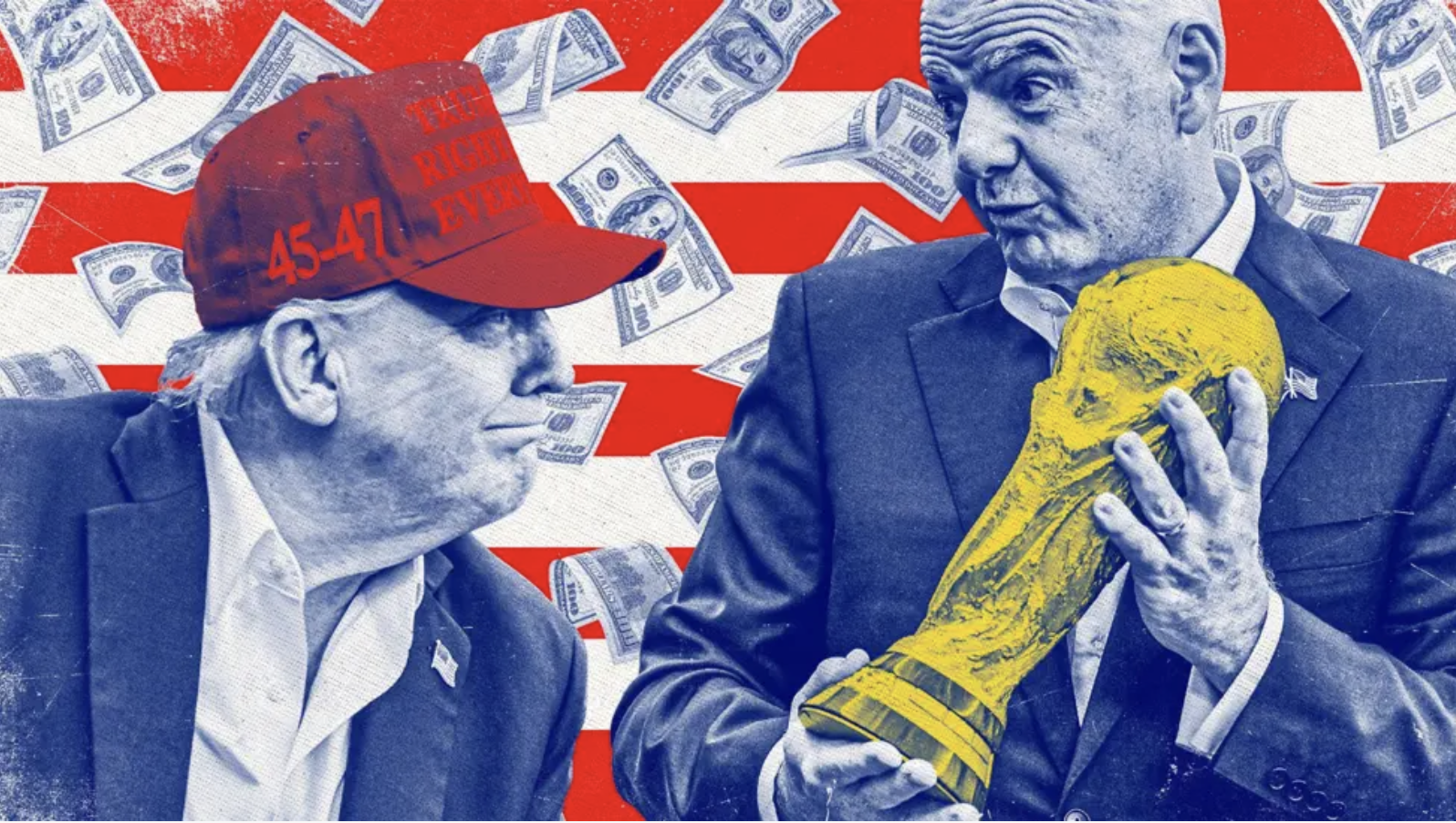
The FIFA World Cup has always presented itself as football’s broadest democratic stage, a tournament built on universal access, shared ritual and the idea that the game can briefly flatten politics, race and geography. Yet in the final days before the 2026 edition opened across the United States, Canada and Mexico, the competition was dragged back into a much older argument: who gets to move freely in global sport, and who is made to prove they belong.
That tension has sharpened around a series of visa and border incidents that have disrupted teams, officials and delegations linked to countries already carrying heavier political scrutiny. Somali referee Omar Abdulkadir Artan, selected among the match officials for the tournament and poised to become the first Somali referee to work at a men’s World Cup, was denied entry to the United States and will not officiate. His removal is especially striking because referees are meant to stand above national rivalry, representing the authority of the game rather than the politics of the state. When even that neutrality is not enough to secure entry, the symbolism becomes impossible to ignore.
Iran’s participation has also been shaped by exceptional restrictions. The players were cleared to travel for their matches, but members of the wider delegation were denied visas, forcing the team into a fragmented build-up and renewed uncertainty around one of Asia’s strongest sides. FIFA’s own travel guidance for the tournament stresses the importance of valid visas and travel authorisation, but the reality of enforcement has revealed how unevenly those requirements can land when geopolitics enters the room. For Iran, the football question has become inseparable from the political one.
Other cases have deepened that sense of imbalance. Iraq striker Aymen Hussein was questioned for nearly seven hours after arriving in Chicago before eventually being admitted. Switzerland forward Breel Embolo also faced a delayed arrival after his travel authorisation was placed under review, leaving him temporarily separated from his squad before later securing clearance to join up. The details of those cases are different, but together they have added to a pre-tournament climate in which border control has become part of the World Cup story.
That is why this moment fits into a longer historical pattern rather than standing as an isolated administrative problem. Football has repeatedly launched anti-racism campaigns, celebrated inclusion and marketed itself as a border-crossing language. At the same time, major tournaments have often exposed the hard limits of that ideal whenever state power intervenes. World Cups are sold as festivals of openness, but they are hosted inside systems that still rank passports, nationalities and identities differently.
The 2026 tournament was already historic as the first men’s World Cup with 48 teams and three host nations. It may now become historic for another reason: as a month in which the global game’s message of belonging was tested, publicly and repeatedly, at the border. That contradiction will linger well beyond the opening whistle, because football’s promise has never been judged only by who lifts the trophy. It is also judged by who is allowed to arrive, compete and be seen on equal terms.