Future Kings, Present Pressure: Why South African Schoolboy Rugby Is Entering a New Tactical Era
20 May, 2026
Future Kings, Present Pressure: Why South African Schoolboy Rugby Is Entering a New Tactical Era
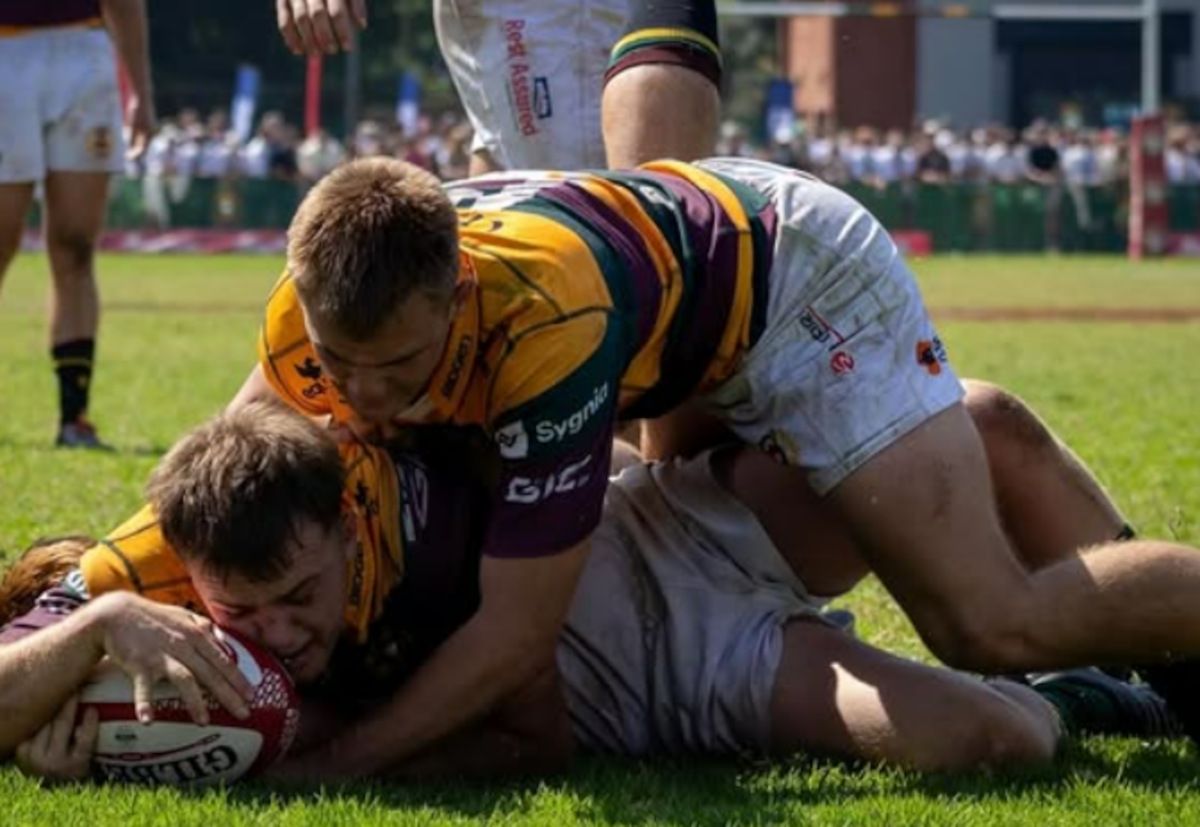
There is a fascinating tension running through South African schoolboy rugby right now. On one side sits tradition — powerhouse First XV programmes built on brute force, territorial dominance and generations of prestige. On the other is a rapidly evolving modern game demanding adaptability, conditioning, tactical intelligence and squad depth far beyond what schools required even five years ago.
And right now, that collision is producing some of the most compelling rugby in the country.
The latest national school rankings continue to underline the dominance of the established elite. The usual heavyweights remain entrenched near the summit after another brutal round of inter-school clashes, with unbeaten records, defensive discipline and superior game management separating the top tier from the chasing pack. Several leading First XVs are averaging more than five tries per match this season, while point differences north of +150 already tell you these are not merely good school sides — these are systems.
But here’s the real story: the gap is no longer purely physical.
The Modern First XV Is Winning With Shape, Not Just Size
Watch the top-ranked schools carefully and the tactical evolution becomes obvious.
The best teams are no longer simply bullying opponents through mauls and set-piece pressure. They are manipulating width, using layered forward pods, second-playmaker systems and aggressive kick-transition structures that mirror professional franchises.
You can see it particularly in how leading schools attack broken-field transitions.
Several of the country’s top First XVs are now using pendulum back-three coverage and dual distributors to create immediate width after turnover ball. Instead of resetting shape, they attack fractured defensive lines instantly. That is professional-level thinking being coached into teenagers.
And it matters because schoolboy rugby in South Africa has become increasingly unforgiving tactically.
One missed edge fold. One lazy pillar defender. One disconnected kick chase. Punishment comes quickly.
That is why depth has become everything.
Junior Bok Selection Signals What South African Rugby Values
The latest national U20 selections reinforced that point emphatically.
The return of several influential players to the Junior Bok environment adds experience, continuity and tactical calm to a group already carrying serious expectation. South Africa’s age-group structures have consistently produced world-class forwards, but what stands out now is the increasing emphasis on multi-skilled players.
Front-rowers who pass before contact.
Locks comfortable defending in wider channels.
Loose forwards operating like auxiliary centres.
That evolution is intentional.
Recent World Rugby U20 tournaments have shown clearly that dominant pack play alone no longer guarantees titles. France, England and New Zealand have all exposed teams unable to transition quickly enough between defensive and attacking phases.
South Africa’s response appears increasingly sophisticated.
The emphasis now is not simply collision-winning — it is repeat-effort conditioning and decision-making under fatigue.
And honestly? That is where some traditional school giants are thriving while others are being left behind.
The Debate Around Schoolboy Rugby’s Structure Is Growing Louder
There is also a growing conversation around whether the current schoolboy rugby ecosystem is sustainable in its present form.
The fixture load, travel demands and competitive imbalance between elite rugby schools and smaller programmes are becoming impossible to ignore. Some schools are effectively operating high-performance environments with professional-level preparation, analysis and conditioning structures. Others are simply trying to survive.
That disparity shows up brutally in scorelines.
And yet, there is another side to this debate.
South African schoolboy rugby remains one of the greatest talent pipelines in world rugby precisely because the intensity is so high. Teenagers are exposed weekly to pressure environments resembling professional rugby long before they enter unions or academies.
That edge creates hardened players.
But it also creates burnout risks, tactical conservatism in weaker schools and widening competitive gaps.
What To Watch Next On GameDayBuzz Africa
For GameDayBuzz Africa users, the next few weeks are gold.
Watch the elite clashes involving unbeaten First XVs — particularly games where dominant forward packs meet sides with high-tempo attacking structures. Those contests are becoming fascinating style wars.
Also track second-half trends.
Several top schools are overwhelming opponents after halftime because of conditioning superiority and bench impact. That matters for prediction patterns, momentum swings and in-game confidence calls.
And keep an eye on the Junior Bok-linked players.
Historically, South African schools with multiple national U20 representatives tend to peak late in the season because their tactical understanding accelerates around representative camps.
The future of South African rugby is not arriving.
It is already here — under Friday-night lights, behind packed schoolboy grandstands, and playing at a pace many senior clubs would struggle to live with.