Iran World Cup plans thrown into fresh uncertainty after US visa denials
07 Jun, 2026
Iran World Cup plans thrown into fresh uncertainty after US visa denials
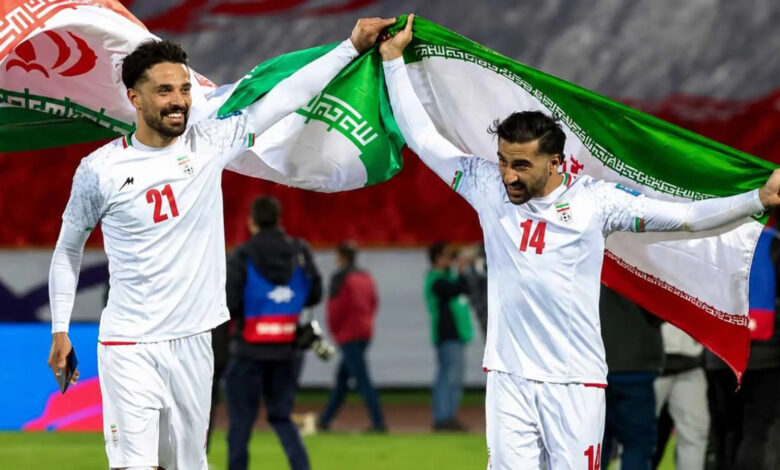
Iran’s World Cup build-up has been plunged into fresh uncertainty after key members of the team’s managerial and administrative group were denied entry visas to the United States, deepening the logistical strain around Team Melli less than two weeks before their opening match of the 2026 tournament.
The latest setback lands at a critical stage of Iran’s preparations. FIFA had already approved a major change to the team’s tournament arrangements, allowing Iran to shift its World Cup base camp from the United States to Mexico. That move placed Iran among the seven participating nations set to operate from Mexican team bases during the competition, a significant adjustment in a tournament where 39 teams are based in the United States and two in Canada.
Iran’s revised plan is designed to ease travel and administrative pressure before matches that remain scheduled on American soil. Team Melli are due to open their Group G campaign against New Zealand in Inglewood on 15 June, return to the same city to face Belgium on 21 June, and then complete the group stage against Egypt in Seattle on 26 June. The switch to Mexico gives the squad a workable hub outside the United States, but the latest visa refusals have underlined that the wider off-field challenge has not gone away.
The dispute over access has hovered over Iran’s World Cup preparations for months, but the denial of visas to support personnel sharpens the concern because tournament operations extend far beyond the playing squad. Administrative staff, logistics officers and backroom officials are central to movement planning, accreditation, training coordination and matchday support. Any disruption in that chain threatens to complicate a campaign that is already unfolding under unusual political and practical pressure.
Iran had initially been listed with a base in the United States before securing approval to relocate to Mexico. FIFA’s finalised team base camp plan confirmed the broader footprint of the 48-team tournament across the three host nations, but Iran’s case has become one of the clearest examples of how geopolitical tension can spill directly into football operations. The governing body had also held high-level meetings with Iranian federation officials in Istanbul in May as part of efforts to reassure the team over participation, travel protocols and tournament logistics.
For now, the football schedule remains unchanged, and Iran are still set to take their place in Group G. Yet the focus around Team Melli is no longer only on the challenge of facing New Zealand, Belgium and Egypt. It is also on whether the squad will be able to navigate a World Cup route shaped as much by border controls and administrative decisions as by anything that happens on the pitch.
That leaves Iran entering the tournament with a base in Mexico, matches in the United States and fresh questions over how smoothly their campaign can function once the competition begins.