African contenders arrive at World Cup 2026 with Morocco setting the benchmark
02 Jun, 2026
African contenders arrive at World Cup 2026 with Morocco setting the benchmark
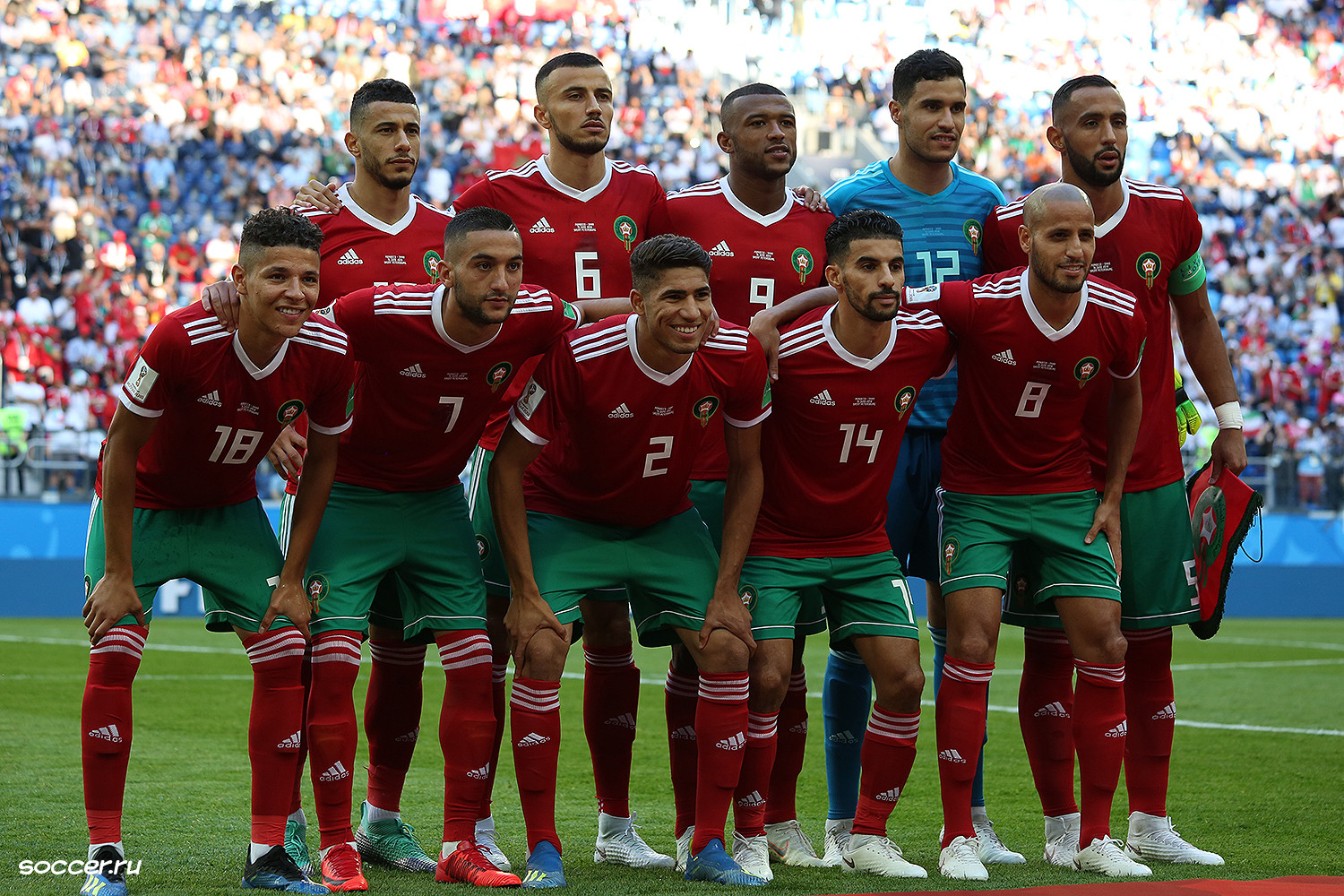
Africa will send a record 10 teams to the 2026 FIFA World Cup, a landmark shift that underlines both the continent’s growing depth and the scale of the challenge ahead. Morocco, Tunisia, Egypt, Senegal, South Africa, Cabo Verde, Côte d’Ivoire, Algeria, Ghana and DR Congo have all secured their places, with DR Congo completing the line-up through the play-off route in March. That breadth gives Africa more representation than ever before, but the form profiles are far from identical.
Morocco head into the tournament as the continent’s clearest reference point. The Atlas Lions were the first African side to qualify and finished their campaign with a perfect record in Group E, winning all eight of their matches. Their numbers told the same story as their performances: control, efficiency and a ruthless edge in front of goal. For a side that already carried global weight after its run to the semi-finals in Qatar, that qualifying sequence reinforced the sense that Morocco are not simply aiming to compete in North America, but to shape the tournament. They look the most complete African team entering June 2026.
Tunisia’s route was different but equally convincing in its own way. The Carthage Eagles won Group H with nine victories and one draw from 10 matches, conceding none across the entire campaign. That defensive consistency remains their clearest weapon. Egypt were similarly authoritative in Group A, collecting 26 points from 10 games, while Senegal finished unbeaten in Group B with seven wins and three draws. Those are the kind of returns that point to structure, experience and a team identity that travels well into major tournaments.
South Africa and Côte d’Ivoire arrive with momentum of a different kind. Bafana Bafana sealed qualification by topping Group C on the final day, ending a 16-year wait to return to the World Cup. That late surge suggested resilience and improved attacking sharpness at a decisive moment. Côte d’Ivoire also came through unbeaten, edging a fiercely competitive Group F with 26 points, one ahead of Gabon. In a 48-team tournament, that ability to handle pressure in tight qualification races could matter as much as star power.
Algeria and Ghana both posted strong group-winning campaigns, each finishing on 25 points, while Cabo Verde produced one of the standout stories by topping Group D with 23 points ahead of Cameroon. Cabo Verde may not carry the same historical weight as some of Africa’s established names, but their qualification run showed organisation, clarity and the capacity to turn consistency into a major breakthrough.
DR Congo bring perhaps the freshest surge of momentum. After navigating the African play-offs, they booked their World Cup place on 31 March with an extra-time win over Jamaica, sealed by Axel Tuanzebe. That route was harder and longer than most, but it may also leave them battle-hardened.
Taken together, Africa’s class of 2026 looks deeper than any before it. Morocco remain the standard-setters, Tunisia, Egypt and Senegal look tournament-ready, and teams such as South Africa, Cabo Verde and DR Congo arrive with the emotional lift of significant qualification stories. The central question now is whether this record African presence can be converted into a record African impact once the World Cup begins on 11 June.