Bordeaux Delivers the Brutal Truth: Speed, Space and Survival at the Sharp End of World Sevens
05 Jun, 2026
Bordeaux Delivers the Brutal Truth: Speed, Space and Survival at the Sharp End of World Sevens
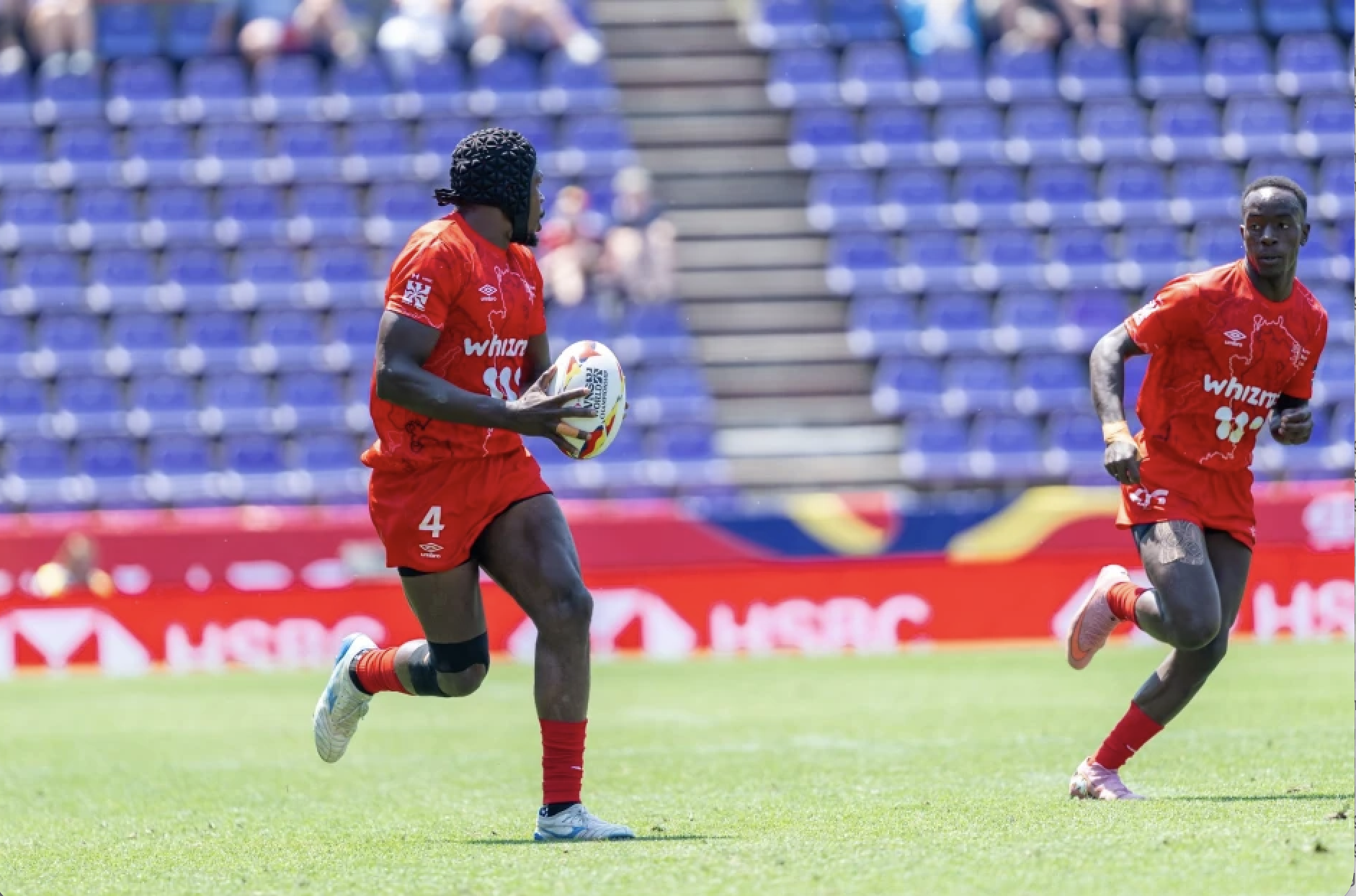
There is nowhere to hide in elite sevens rugby.
Not behind reputation. Not behind rankings. Not behind what happened last weekend.
As the season reached its decisive climax in Bordeaux, the opening exchanges delivered a reminder of what makes the shortened game so addictive: one missed tackle, one poorly defended kick-off, one lapse in transition defence, and the entire contest flips on its head.
And that reality hit several contenders hard.
The Pacific Masters Show Why They Remain the Benchmark
When one of the sport’s traditional powerhouses met an ambitious East African challenger, the final scoreline suggested control. The tactical story was more nuanced.
The Pacific giants prevailed 31-12, but only after weathering an early contest built around aggressive line speed and breakdown disruption. The difference was ultimately their ability to create width through multiple phases rather than forcing miracle offloads.
This is what separates good sevens teams from great ones.
The best sides don’t just attack space. They manufacture it.
Repeatedly stretching defenders across the field created one-on-one opportunities, and once fatigue crept in, the damage became inevitable. The winning side’s support lines remained elite, their reload speed relentless and their finishing clinical.
For the African challengers, however, perspective matters.
Recent seventh and eighth-place finishes across the championship circuit have placed them firmly in contention to secure top-tier status for next season. The objective remains achievable despite the opening setback.
The Shock That Sent a Message Through the Tournament
If anyone arrived expecting predictable outcomes, Bordeaux quickly corrected them.
One of the tournament favourites suffered a stunning 19-14 defeat to a side fighting desperately to preserve its elite status.
The tactical key?
Tempo variation.
Instead of engaging in a pure footrace, the underdogs repeatedly changed the rhythm of possession. They slowed rucks, accelerated unexpectedly and forced defenders into uncomfortable decision-making situations.
Then came the X-factor.
A decorated international rugby union star making his sevens return brought exactly what coaches crave in tournament rugby: composure under pressure and elite finishing instincts. His influence wasn’t merely statistical; it altered defensive spacing across the entire field.
The upset reinforced a fundamental truth.
Sevens is increasingly becoming a game of hybrid athletes—players capable of combining fifteen-a-side physicality with sevens-level acceleration.
Why The Race for Survival Is Becoming Fascinating
The biggest story may not be the battle for silverware.
It may be the fight for relevance.
Entering Bordeaux, the East Africans occupied the crucial eighth position in the overall standings, with quarter-final qualification widely viewed as the benchmark required to secure a place among next season’s elite teams.
That creates enormous pressure.
Every pool match effectively becomes a knockout game.
The tactical challenge now is obvious. Against physically dominant opponents, they must improve restart retention and first-phase defensive organisation. Too often, possession is being surrendered before attacking structures can fully develop.
GameDayBuzz Watch: What Comes Next?
Watch the kick-offs.
Watch the transition moments.
Watch who controls possession between minutes five and nine, when fatigue starts exposing defensive systems.
That’s where this tournament will be won.
Because in Bordeaux, the margins aren’t measured in metres.
They’re measured in moments.
And right now, every moment matters.